



“Industry leaders and energy professionals have called for urgent reforms and strategic repositioning of Nigeria’s energy sector, stressing that the nation’s future can no longer depend on crude oil prices alone. This call was made at the Oil and Gas Symposium organised by the Nigerian Institution of Petroleum Engineers (NIPetE), a division of the Nigerian Society of Engineers (NSE), themed “Beyond the Barrel: Tax Reforms, Value Chain Optimization, and the Future of Nigerian Energy.”
Delivering the keynote address, Engr. Momoh J. Oyarekhua, Chairman of OPAC Refineries and Chairman of the Crude Oil Refiners Association of Nigeria (CORAN) represented by Abudukerimu Sule, declared that Nigeria’s prosperity would be shaped by policy discipline, fiscal realism, engineering excellence, and collective courage, rather than oil prices alone. He urged stakeholders to build an energy sector that creates prosperity, powers industry, retains talent, and serves generations yet unborn, concluding that “going beyond the barrel is no longer a choice for Nigeria; it is a necessity.”
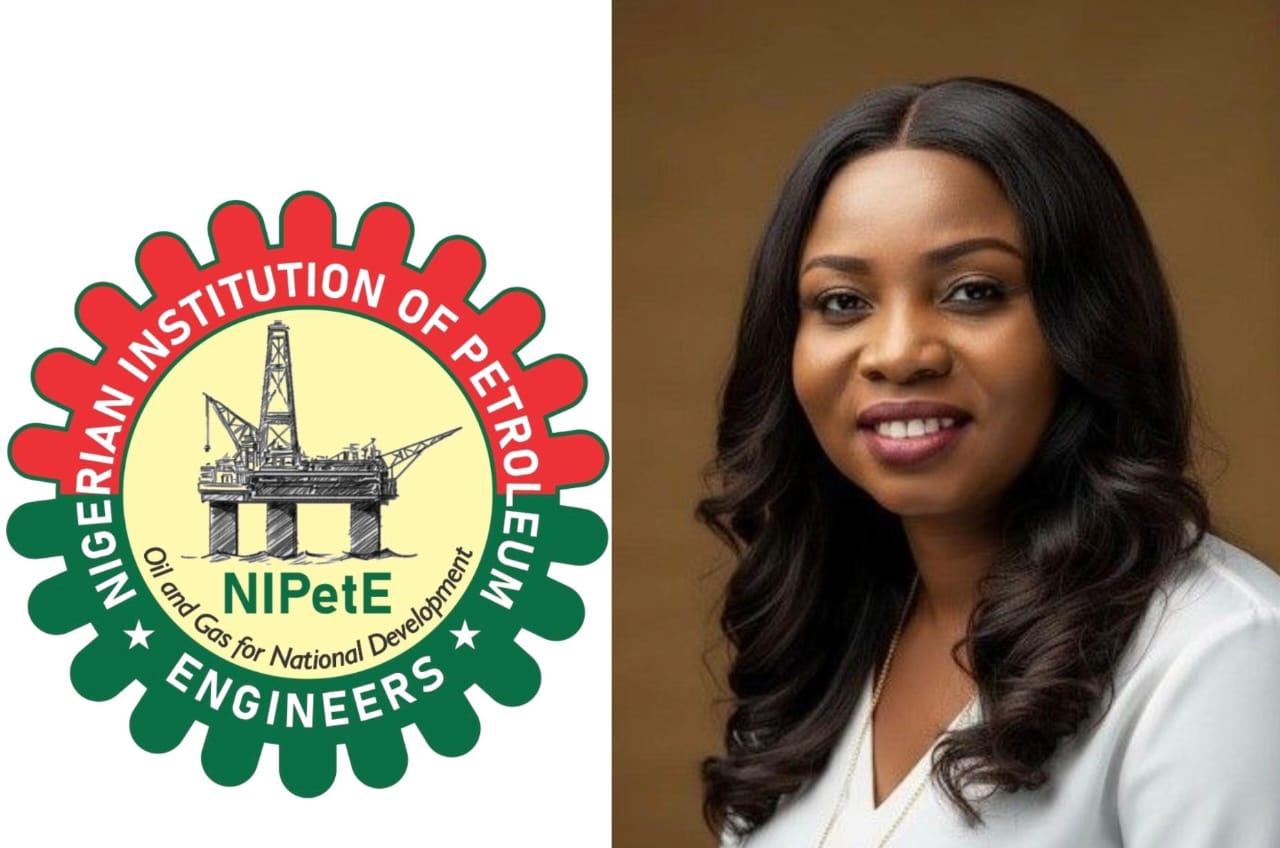
In her welcome address, the National Chairman of NIPetE, Engr. Dr. Yetunde Aladeitan, FNSE, described the symposium as a critical intervention at a defining moment for the nation’s energy industry. She noted that the global energy transition is accelerating and Nigeria must evolve deliberately to remain competitive. According to her, the symposium was designed not as a talk shop but as a platform for actionable ideas, collaboration, and policy-shaping discussions that would drive efficiency, competitiveness, and inclusive growth in the sector.
Declaring the symposium open, the Chairman of the Occasion and President of the Nigerian Society of Engineers, Engr. Ali Alimasuya Rabiu, FNSE, represented by Engr. Valerie Agberagba, FNSE, described the theme “Beyond the Barrel” as a clarion call and blueprint for national survival. He observed that Nigeria’s historical fixation on crude extraction had exposed the economy to global commodity shocks, stressing the need to unlock value across the entire energy value chain.
He explained that moving beyond the barrel requires smarter upstream operations driven by data and subsurface expertise, a re-engineered midstream to address transportation and storage gaps, and a strong downstream sector where value addition through refining, petrochemicals, fertilizers, and allied industries can generate jobs and economic resilience. He further emphasized that thoughtful tax reforms must function as catalysts, encouraging investment, technology adoption, and local content development, rather than acting as constraints.
The symposium concluded with a strong call to action for policymakers, industry players, and engineers to work collaboratively in reshaping Nigeria’s energy future. Participants agreed that sustainable transformation would only be achievable through disciplined policies, optimized value chains, and deliberate investment in human capital, positioning engineering excellence at the heart of Nigeria’s long-term energy security and economic growth.